
Table of Contents
- Why Botanical Cleansers Work for Sensitive Skin
- Quick Comparison: 10 Gentle Botanical Cleansers
- Calming Botanical Ingredients for Face Wash
- How to Fix a Damaged Skin Barrier with Natural Ingredients
-
The 10 Best Gentle Botanical Cleansers for Sensitive Skin
- 1. La Mer The Essence Foaming Cleanser
- 2. Face & Body Cleansing Bar
- 3. Eminence Calm Skin Chamomile Cleanser
- 4. Emu Oil Soap
- 5. Derm #1 Skincare Remove All Cleanser
- 6. Clear Skin Foaming Cleanser
- 7. Daily Purifying Facial Cleanser
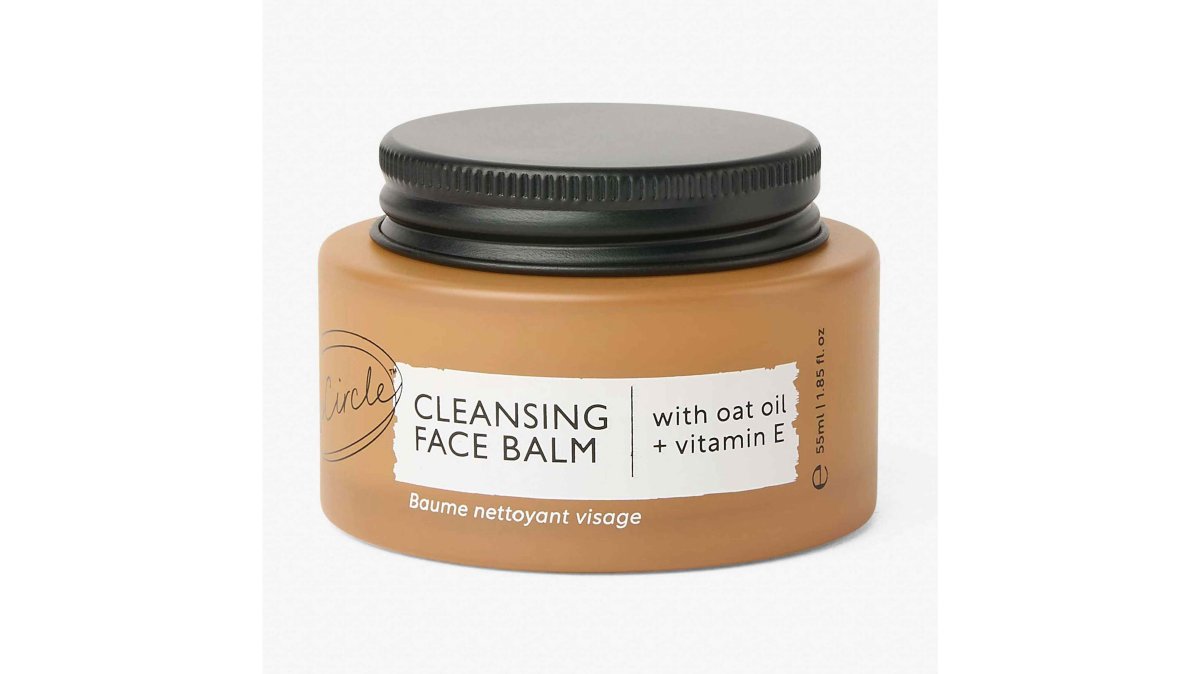
- 8. Cleansing Face Balm with Oat Oil + Vitamin E
- 9. Clarifying Brightening Cleanser
- 10. Image Skincare Ormedic Balancing Facial Cleanser
- How to Choose the Right Botanical Cleanser for Your Skin
- Sustainable Sourcing in Botanical Skincare
- Frequently Asked Questions
Last Updated: September 13, 2026
Why Botanical Cleansers Work for Sensitive Skin
Gentle botanical cleansers for sensitive skin clean without stripping the lipid barrier that keeps reactive skin calm. This guide from Wellnessandnaturalskin covers how plant-based surfactants differ from sulfates, which calming botanicals earn their place in a face wash, and how to patch test before you commit.
Reactive skin has a thinner, more permeable barrier. When a cleanser lifts too much oil, that barrier loses the lipids it needs to hold water, causing post-cleansing tightness, redness, and worsening sensitivity. Botanical formulas rely on milder surfactants and soothing plant extracts so skin finishes a cleanse balanced rather than stripped.
The catch most guides skip: "botanical" is not automatically gentle. Some plant extracts are allergens, and a natural label says nothing about pH or surfactant strength. Formulation matters, not the word on the bottle.
Plant-Based Surfactants vs. Sulfates
Plant-based surfactants are derived from plant oils and sugars, lifting dirt and oil with less disruption to the skin barrier than harsh sulfates. Sulfates like sodium lauryl sulfate create rich lather, but often at the cost of the lipid barrier sensitive skin depends on.
A common mistake is assuming foam equals clean. Many gentle formulas cleanse thoroughly with minimal lather. On a label, look for glucosides and other sugar-derived surfactants rather than SLS or SLES, and check that the formula is pH-balanced to match skin's natural acidity.
Quick Comparison: 10 Gentle Botanical Cleansers
The table below summarizes the ten formulas covered in this guide by price and best use.
| Product | Price | Format | Best For |
|---|---|---|---|
| La Mer The Essence Foaming Cleanser | $180.80 | Cream-to-foam | Luxe daily cleansing |
| Face & Body Cleansing Bar | $17.00 | Bar | Fragrance-free basics |
| Eminence Calm Skin Chamomile Cleanser | $48.00 | Cream | Redness-prone skin |
| Emu Oil Soap | $16.00 | Bar | Dry, eczema-prone skin |
| Derm #1 Remove All Cleanser | $15.95 | Cream | Makeup removal |
| Clear Skin Foaming Cleanser | $34.69 | Foam | Sensitive, dry-prone skin |
| Daily Purifying Facial Cleanser | $39.95 | Gel-cream | Irritated, congested skin |
| Cleansing Face Balm with Oat Oil + Vitamin E | $30.00 | Balm | Dry, reactive skin |
| Clarifying Brightening Cleanser | $22.00 | Gel | Dull, breakout-prone skin |
| Image Skincare Ormedic Balancing Cleanser | $58.24 | Cream | Combination skin |
Calming Botanical Ingredients for Face Wash
Calming botanical ingredients for face wash fall into two groups: anti-redness extracts and barrier-supporting oils. Knowing which group a formula leans on tells you more than any marketing claim.

Chamomile, Arnica, and Calendula
Chamomile, arnica, and calendula are the classic trio for redness and inflammation: chamomile calms and balances, arnica is anti-inflammatory, and calendula soothes irritation. Eminence's Calm Skin Chamomile Cleanser pairs all three with sunflower oil and rosemary.

Oat Oil, Sea Buckthorn, and Blue Tansy
Oat oil, sea buckthorn, and blue tansy are the emollient and humectant side. Oat oil brings skin-calming lipids, sea buckthorn is rich in barrier-supporting fatty acids, and blue tansy calms while giving many balms their blue tint. The Cleansing Face Balm with Oat Oil + Vitamin E combines all three for deeply reactive skin.
How to Fix a Damaged Skin Barrier with Natural Ingredients
To fix a damaged skin barrier with natural ingredients, stop stripping the skin and start feeding it lipids. Barrier repair is less about adding products and more about removing the ones irritating reactive skin.
Cut back to a single gentle cleanser, lukewarm water, and a fragrance-free moisturizer. Skip exfoliants, acids, and hot showers for two weeks; most people see post-cleansing tightness ease in that window, though a compromised barrier can take longer.
Ingredients That Support Barrier Repair
Barrier-repair ingredients include ceramides, fatty acids, and humectants like glycerin and hyaluronic acid. Look for emollient plant oils such as jojoba, shea butter, and oat oil, which mimic skin's own lipids. The Derm #1 Remove All Cleanser is built around jojoba, shea butter, and honey, which condition while they cleanse.
The 10 Best Gentle Botanical Cleansers for Sensitive Skin
The best gentle botanical cleansers for sensitive skin balance mild surfactants with soothing plant extracts and a skin-friendly pH. Here are ten formulas, from budget bars to luxury creams.
1. La Mer The Essence Foaming Cleanser
The most luxurious option here, La Mer's cream-to-foam formula suits sensitive skin across all types. The drawback is the $180.80 price: an investment, not a starter.
2. Face & Body Cleansing Bar
If fragrance is your trigger, this bar is a great starting point. It's fragrance-free and pH-balanced to maintain your skin’s defense barrier. It gently washes away impurities, sweat, dirt, and pollution. At $17.00 it also works as a shave prep or post-shave step.
3. Eminence Calm Skin Chamomile Cleanser
For redness-prone skin, this cream cleanser is a strong pick. Chamomile, arnica, and rosemary calm and balance, and it skips parabens, SLS, synthetic dyes, and phthalates. Cruelty-free, $48.00 for 8.4 oz.
4. Emu Oil Soap
Dry and eczema-prone skin does well with this bar. Emu oil moisturizes, calendula soothes, and there's no added fragrance or color. At $16.00, it's an affordable option here, and a little goes a long way.
5. Derm #1 Skincare Remove All Cleanser
This creamy cleanser removes makeup and impurities without over-drying and works with or without water, practical for busy routines. Jojoba, sweet almond oil, and shea butter restore moisture balance. $15.95 for 2.5 fl oz.
6. Clear Skin Foaming Cleanser
A gentle daily foam for sensitive, dry-prone skin, it keeps skin hydrated while it cleans. Botanical extracts soothe irritation, and the 1.7 oz bottle lasts about a month (60+ uses). $34.69.
7. Daily Purifying Facial Cleanser
For irritated, congested skin, this natural cleanser clears away fungus, sebum, and dirt while soothing irritation. A good fit if your skin is both reactive and breakout-prone. $39.95.
8. Cleansing Face Balm with Oat Oil + Vitamin E
This dermatologically approved balm melts away makeup and pollution, made with the finely-ground powder of discarded apricot stones. Oat oil, blackcurrant seed, blue tansy, and sea buckthorn oils calm and hydrate. $30.00 in recyclable glass.
9. Clarifying Brightening Cleanser
If dullness and breakouts are your main concern, this multi-active gel cleanses, exfoliates, and brightens in one step with salicylic acid and brightening botanicals. At $22.00, it's a solid value, though reactive skin should introduce it slowly.
10. Image Skincare Ormedic Balancing Facial Cleanser
A balancing cream cleanser for combination skin, this 6 oz formula is $58.24. It suits skin oily in the T-zone but sensitive elsewhere.
How to Choose the Right Botanical Cleanser for Your Skin
Choosing the right botanical cleanser comes down to four variables: your skin's primary complaint, the surfactant base, the preservative system, and how it fits your routine. Match the cleanser to the problem, not the label.
Start with your primary complaint. For redness, prioritize chamomile, arnica, and calendula. For dryness, look for oat oil, shea butter, jojoba, or emu oil. For congestion, a gentle exfoliating cleanser with salicylic acid used two or three times a week beats a harsh daily scrub. If you're reactive to fragrance, choose fragrance-free regardless of the botanical scent description.

Next, read the surfactant base. Sugar-derived glucosides (coco-glucoside, decyl glucoside) and amino acid surfactants (sodium cocoyl glycinate, sodium lauroyl methyl isethionate) are mildest. Avoid sodium lauryl sulfate and sodium laureth sulfate, which strip the lipid barrier (PubMed). A formula can be 100% botanical and still use a harsh surfactant base, so the INCI list matters more than the front label.
Check the preservative system. Botanical formulas are water-based and require preservation. Phenoxyethanol, sodium benzoate, and potassium sorbate are common and generally well tolerated. Formulas preserved with essential oils or botanical extracts alone may carry higher allergen risk. If you have known contact allergies, scan for methylisothiazolinone and methylchloroisothiazolinone, common sensitizers.
Finally, consider how the cleanser fits your routine. If you use prescription retinoids, alpha-hydroxy acids, or beta-hydroxy acids, keep your cleanser simple and free of exfoliating acids. A buffering cleanser supports those actives; one with its own acids stacks irritation. If your routine is minimal, a cream or balm cleanser with barrier-supporting oils does more work in one step.
A Quick Decision Framework
- Redness-prone: cream cleanser with chamomile, arnica, calendula; no fragrance.
- Dry or eczema-prone: balm or oil cleanser with oat oil, shea, jojoba; no sulfates.
- Congested but reactive: gel-cream with low-dose salicylic acid two to three times weekly.
- Combination skin: balancing cream cleanser; avoid foaming formulas that over-dry the cheeks.
- Post-procedure or barrier-compromised: fragrance-free, surfactant-mild, ceramide-supporting formula only.
Patch Testing Botanical Ingredients
Patch testing is non-negotiable with botanical formulas because plant extracts can trigger contact reactions even in products labeled natural. Essential oils, botanical fragrances, and plant-derived preservatives are among the most common sources of allergic contact dermatitis.
Use this protocol:
- Apply a small amount behind your ear or on your inner forearm.
- Leave it on for 24 hours without washing the area.
- Check for redness, itching, swelling, or small bumps.
- If clear, repeat on the same spot for a second 24-hour period.
- Only then introduce the product to your face, starting with one use every other day.
Reactions are often delayed 48 to 72 hours after contact, which is why a single 24-hour check is not enough for reactive skin (the American Academy of Dermatology). If you have a history of eczema or known plant allergies, ask a dermatologist about patch testing before introducing any new botanical formula.
Botanical Cleansers and Active Treatments
Botanical cleansers interact with active treatments more than most people expect. A gentle cleanser can buffer irritation from retinoids and acids, but one with exfoliating acids of its own can stack with your serum and overwhelm reactive skin.
If you use prescription retinoids, apply them at night after cleansing and wait until skin is fully dry. A mild, non-exfoliating botanical cleanser is the safest pairing. If you use alpha-hydroxy acids or beta-hydroxy acids, avoid cleansers that also contain salicylic acid or fruit enzymes on the same day. If you use vitamin C serums, a low-pH cleanser can enhance penetration but also increase sting on compromised skin.
Sustainable Sourcing in Botanical Skincare
Sustainable sourcing is where botanical skincare earns or loses its environmental claim. Plant-based ingredients are only as clean as the supply chain behind them, and sourcing practices vary widely across the category.
Upcycled ingredients are one of the more credible approaches. The Cleansing Face Balm with Oat Oil + Vitamin E uses finely ground powder from discarded apricot stones, a by-product of the apricot oil industry, and ships in recyclable glass with an aluminum lid. That circular sourcing reduces waste while delivering the same skin benefits. Other common upcycled botanicals include grape seed extract from winemaking, coffee seed oil from spent grounds, and tomato seed oil from juice production.
Certifications matter more than marketing language. Look for USDA Organic, COSMOS Organic or COSMOS Natural, and Fair for Life or Fairtrade International seals, which require third-party auditing of farming and labor practices (usda.gov). A brand that can trace its botanicals to specific farms and confirm they are grown without harsh pesticides does more for your skin and the environment than one that simply prints "natural" on the label.
Water use and biodiversity are the other half of the equation. Lavender, rose, and calendula are water-intensive to cultivate, while desert-grown plants such as jojoba and prickly pear need far less irrigation. Brands that disclose sourcing regions and water-reduction practices give a more honest picture than those that only list ingredient names.
When comparing formulas, ask three questions: Where do the plants come from? How are they grown and harvested? What happens to the by-products? The answers tell you more than any front-of-bottle label.
Frequently Asked Questions
What is the most gentle cleanser for sensitive skin?
The gentlest options are fragrance-free, pH-balanced formulas with plant-based surfactants instead of sulfates. A cleansing bar like the Face & Body Cleansing Bar ($17.00) fits this profile, and so does the Eminence Calm Skin Chamomile Cleanser ($48.00), which uses chamomile, arnica, and rosemary to calm redness. Look for labels that say hypoallergenic and non-comedogenic, and avoid anything with added fragrance or drying alcohols.
What ingredients should be avoided in cleansers for sensitive skin?
Skip sulfates (SLS and SLES), synthetic dyes, parabens, phthalates, and added fragrance, all of which can trigger reactive skin. Also watch for high concentrations of essential oils, which smell pleasant but can irritate a compromised lipid barrier. The Eminence Calm Skin Chamomile Cleanser is formulated without parabens, sodium lauryl sulfates, synthetic dyes, petrochemicals, phthalates, GMOs, and triclosan, making it a solid reference point for what a sensitive-skin formula should leave out.
How do botanical cleansers help repair a damaged skin barrier?
A damaged skin barrier loses moisture and lets irritants in. Botanical cleansers help by using plant-based surfactants that lift dirt without stripping lipids, plus soothing botanicals that reduce inflammation. Ingredients like oat oil, shea butter, and calendula support barrier repair while humectants such as glycerin and hyaluronic acid pull water into the skin. The Cleansing Face Balm with Oat Oil + Vitamin E ($30.00) is dermatologically approved and built around this approach.
Can botanical cleansers effectively remove makeup without irritation?
Yes, when the formula is built for it. Cream and balm textures break down makeup through oils rather than harsh surfactants. The Derm #1 Skincare Remove All Cleanser ($15.95) removes waterproof mascara and full makeup while restoring moisture balance, and the Cleansing Face Balm with Oat Oil + Vitamin E ($30.00) dissolves makeup, pollution, and impurities in one step. Use a damp cloth to wipe clean rather than scrubbing, which keeps reactive skin calm.
Are botanical cleansers safe for acne-prone skin?
Many are, provided they are non-comedogenic and free of heavy oils that clog pores. The Clarifying Brightening Cleanser ($22.00) combines 2% salicylic acid with turmeric and desert lime to unclog pores and fade discoloration. Patch test first, and introduce one new product at a time so you can tell what is working.