
Table of Contents
- How to Identify Hormonal Acne
- Best Natural Ingredients for Hormonal Acne
- Hormonal Acne Diet and Lifestyle Changes
- Building a Natural Skincare Routine for Hormonal Acne
-
Cycle-Syncing Your Skincare: A Missed Opportunity
- Menstrual Phase (Days 1-5): Drop the Strong Actives
- Follicular Phase (Days 6-13): Skin Is Calm, Keep It Simple
- Ovulation (Days 14-16): Oil Rises
- Luteal Phase (Days 17-28): Breakouts Peak
- The Gut-Skin Axis: Why Cycle-Syncing Works Better With Diet
- Post-Acne Hyperpigmentation: The Phase Most Guides Skip
- Common Mistakes to Avoid with Natural Skincare for Hormonal Acne
- Frequently Asked Questions
Last Updated: September 19, 2026
How to Identify Hormonal Acne
Hormonal acne is a type of breakout driven by shifts in androgen levels that push the sebaceous glands into overdrive. It tends to follow a pattern, which is exactly what separates it from the occasional pimple. This guide from Wellnessandnaturalskin walks through how to spot it, what triggers it, and how to build a natural skincare for hormonal acne routine that actually holds up.
Where It Shows Up: Jawline, Chin, and Beyond
The tell is location. Hormonal breakouts cluster along the jawline, chin, and lower cheeks. They also tend to be deeper and more tender than surface whiteheads.
Watch for these patterns:
- Breakouts that flare the week before your period
- Deep, painful bumps rather than small surface pimples
- Cycles that repeat on a monthly rhythm
- Flare-ups during menopause or after stopping birth control
Best Natural Ingredients for Hormonal Acne
The best natural ingredients for hormonal acne do one of three jobs: calm inflammation, keep the pore from plugging, or support the skin barrier so it can heal without scarring. The strongest options have real botanical actives behind them, not just marketing language.
- Tea tree oil (Melaleuca alternifolia): The terpinen-4-ol in tea tree oil is antibacterial and anti-inflammatory. It is one of the few botanicals with a long track record against blemish-causing bacteria. Use it diluted, undiluted tea tree oil can burn and strip the barrier.
- Salicylic acid from wintergreen: A beta-hydroxy acid that is oil-soluble, so it slips into the pore and loosens the plug of sebum and dead skin. It is gentler than benzoyl peroxide for most people, but it still needs a moisturizer on top.
- Niacinamide: A form of vitamin B3 that supports the barrier, helps refine the look of enlarged pores, and can soften the redness left behind by old breakouts. It plays well with most other actives.
- Geranium oil: A floral oil used in naturopathic blends for complexion support and firmness. It is generally well tolerated but should always be diluted in a carrier.
- Bergamot oil: Calms redness and irritation, but it is a photosensitizing citrus oil. If you use it, use it at night and wear sunscreen the next morning.
- Azelaic acid: A naturally occurring dicarboxylic acid (also made synthetically) that helps with both active breakouts and the dark marks they leave behind. It is one of the few actives that addresses hormonal acne and post-acne pigmentation at the same time.
Botanical Actives: Tea Tree, Salicylic Acid, and Beyond
Tea tree and salicylic acid do different jobs, and that is why they are often paired. Tea tree fights bacteria and calms inflammation. Salicylic acid loosens the plug inside the pore so the inflammation has somewhere to drain.
Ingredients to Avoid in Natural Skincare for Hormonal Acne
"Natural" on a label does not mean safe for acne-prone skin. A few common botanicals and carrier oils are comedogenic and will make hormonal breakouts worse:
- Coconut oil: High on the comedogenic scale and a frequent trigger for clogged pores on the jawline and chin.
- Heavy wheat germ or cocoa butter: Rich, occlusive, and better suited to body care than facial skin during a flare.
- Undiluted essential oils: Lavender, eucalyptus, and citrus oils can irritate the barrier when used neat.
- Alcohol-based toners: They feel clarifying but strip the barrier, which triggers more oil production.
- Fragrance and "parfum": A top trigger for irritation that mimics a breakout.
Hormonal Acne Diet and Lifestyle Changes
Diet and lifestyle changes can reduce hormonal acne by steadying blood glucose and lowering inflammation. Food alone rarely clears skin, but it changes how often you flare.
Focus on:
- Blood glucose control: pair carbs with protein and fiber
- Anti-inflammatory foods: leafy greens, fatty fish, berries
- Antioxidants: help counter oxidative stress on skin
- Less added sugar and dairy: common triggers for many people
- Sleep and stress: poor sleep raises stress hormones that drive sebum
Building a Natural Skincare Routine for Hormonal Acne
A natural skincare for hormonal acne routine works when it stays simple and consistent. Three steps, done twice a day, beats a ten-step routine you abandon in a week.
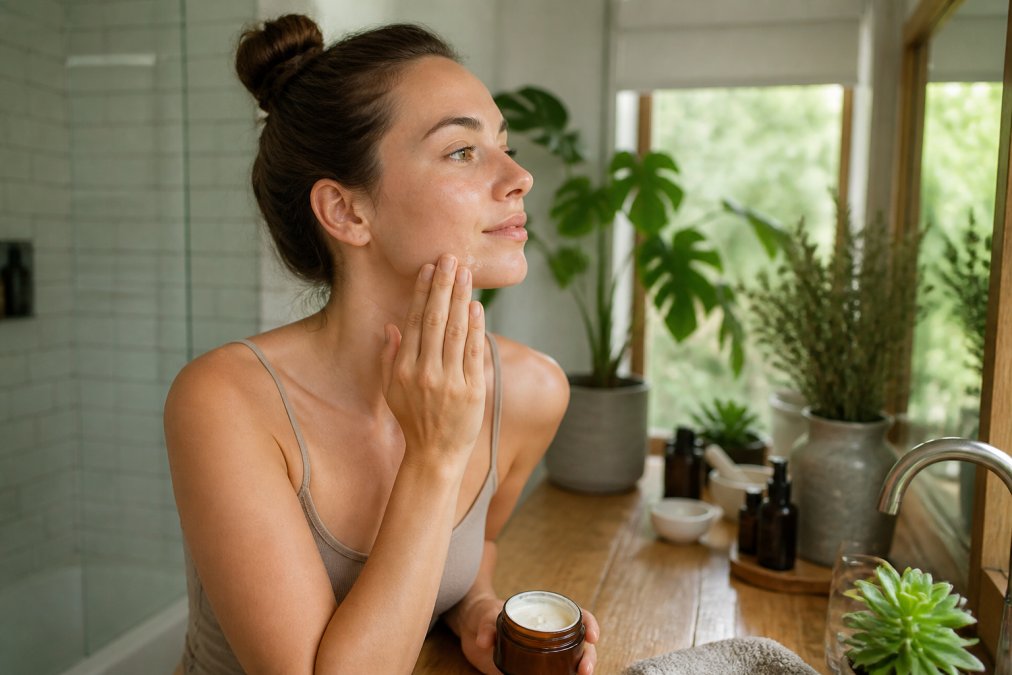
Step-by-Step: Cleanse, Treat, Moisturize
Follow this order every morning and night.
- Cleanse. Use lukewarm water and a gentle salicylic cleanser. Massage for 30 seconds, then rinse.
- Treat. Apply a thin layer of serum to clean, dry skin. Keep it away from the eye area.
- Moisturize. Seal in hydration with a non-comedogenic balm. Tallow is a good fit because it moisturizes without clogging pores.
- Protect. Use sunscreen each morning to prevent post-acne dark marks from deepening.
The Clean & Fresh Tallow Balm is built for this step. It combines 100% grass fed and grass finished beef tallow with organic tea tree oil, organic bergamot oil, and organic geranium oil, and a dash of organic extra virgin olive oil. It is great for fighting and soothing blemishes while cleansing and hydrating skin. Apply sparingly to clean dry skin once or twice a day.

Cycle-Syncing Your Skincare: A Missed Opportunity
Cycle-syncing means matching your products to each phase of your menstrual cycle instead of running the same routine every day of the month. Most guides treat hormonal acne as a static condition, as if the same serum works equally well on day 3 and day 23. Estrogen and progesterone rise and fall on a predictable rhythm, and your sebaceous glands, barrier function, and inflammation response move with them.
Menstrual Phase (Days 1-5): Drop the Strong Actives
Estrogen and progesterone are at their lowest, and the barrier is often more reactive. Skin can feel dry, tight, and sensitive, even if it was oily a week ago.
- Cleanse with a gentle, non-foaming cleanser. Skip the salicylic wash for these few days.
- Treat with a barrier-supporting serum, niacinamide or a simple hyaluronic acid, rather than an exfoliant.
- Moisturize with your balm or a ceramide cream. This is the week to be generous.
- Skip retinoids, strong AHAs/BHAs, and any new product you have not patch-tested.
Follicular Phase (Days 6-13): Skin Is Calm, Keep It Simple
Estrogen is climbing, which tends to mean better hydration, calmer tone, and fewer active breakouts. This is the window to reintroduce actives slowly and to test anything new.
- Cleanse with your salicylic cleanser again.
- Treat with your leave-on serum two to three nights a week.
- Moisturize as usual.
- Optional: This is the safest phase to patch-test a new botanical or add azelaic acid back in.
Ovulation (Days 14-16): Oil Rises
Estrogen peaks and testosterone edges up, which can push sebum production higher. Pores look larger and skin may feel oilier, but the barrier is usually strong, so it can handle more.
- Cleanse twice daily with the salicylic cleanser.
- Treat with your serum nightly, and consider adding a clay mask once this week on the jawline and chin.
- Moisturize with a lighter layer of balm, do not skip it just because skin feels oily.
Luteal Phase (Days 17-28): Breakouts Peak
Progesterone rises, estrogen dips, and androgens get relatively more influence. Sebum production climbs, inflammation rises, and this is when the deep, tender jawline and chin bumps show up. The mistake most people make is panicking and piling on actives, which damages the barrier right when it needs support.
- Cleanse gently. Do not scrub.
- Treat with a soothing active, azelaic acid or a diluted tea tree spot treatment, rather than escalating to stronger exfoliation.
- Moisturize consistently. A compromised barrier produces more oil, not less.
- Add a spot treatment only on the active bumps, not across the whole jawline.
The Gut-Skin Axis: Why Cycle-Syncing Works Better With Diet
Cycle-syncing does not happen in isolation. Gut bacterial balance and systemic inflammation both shift across the month, and they show up on your face. Probiotic foods (yogurt, kefir, fermented vegetables) and prebiotic fibers feed the bacteria that help regulate inflammation. Prebiotic skincare, formulas with inulin or oat-derived sugars, supports the skin's own microbiome on the surface.
Post-Acne Hyperpigmentation: The Phase Most Guides Skip
Once a hormonal breakout heals, it often leaves a brown or red mark behind, post-inflammatory hyperpigmentation. This is where most natural skincare guides stop, but it is the part that determines how your skin actually looks six months from now.
- Do not pick or squeeze. The mark is caused by inflammation, and picking deepens it.
- Use sunscreen every single morning. UV exposure darkens existing marks and slows fading. This is the single highest-impact step.
- Add azelaic acid or niacinamide to your routine, both help fade marks over time.
- Be patient. Most marks fade over several months with consistent sun protection and gentle exfoliation. There is no overnight fix, natural or otherwise.
Common Mistakes to Avoid with Natural Skincare for Hormonal Acne
The biggest mistake is expecting overnight results. Natural formulas work with your skin, so they take longer to show change.
Watch out for:
- Over-exfoliating and wrecking the skin barrier
- Mixing too many actives at once
- Skipping moisturizer because skin feels oily
- Trusting "natural" labels without checking ingredients
- Stopping a routine after one week
Frequently Asked Questions
How do I get rid of hormonal acne naturally?
Start by identifying your triggers through cycle tracking and a skin diary. Build a routine with non-comedogenic botanical ingredients like tea tree, salicylic acid from wintergreen, and prebiotic-rich serums. Support your skin from the inside with blood sugar balance, stress reduction, and gut-friendly foods. Consistency matters more than intensity: give any natural skincare for hormonal acne at least 8 to 12 weeks before judging results. Pair gentle cleansing with targeted treatments and a barrier-supporting moisturizer.
What are the best natural ingredients for hormonal acne?
Look for tea tree oil for its antibacterial and anti-inflammatory properties, salicylic acid from wintergreen for pore refinement, niacinamide for tone and pore appearance, and prebiotics to support bacterial balance. For topical use, focus on non-comedogenic botanical oils like bergamot, geranium, and tallow-based balms that soothe without clogging pores.
Can diet and lifestyle changes help hormonal acne?
Yes. Reducing high-glycemic foods helps stabilize blood glucose, which can lower sebum production. Anti-inflammatory eating patterns rich in antioxidants support skin resilience. Sleep quality and stress management matter because cortisol spikes can worsen hormonal imbalance. Pair these changes with a gentle topical routine for the best outcome.
How long does it take to see results from natural acne treatments?
Most natural approaches need 8 to 12 weeks to show visible change because they work with your skin barrier and hormone regulation rather than against them. The skin cycle itself takes about 28 days, and hormonal shifts take longer. Track your progress monthly with photos and notes. If you see no improvement after 12 weeks, adjust your ingredients or consult a dermatologist. Patience and consistency matter more than switching products frequently.
Hormonal acne is stubborn, and one-size-fits-all routines rarely deliver. At Wellnessandnaturalskin, we build plant-based formulas free from harsh chemicals and artificial toxins, sourced from vetted suppliers. Our Clean & Fresh Tallow Balm soothes blemishes while hydrating, and our serums use natural salicylic acid instead of benzoyl peroxide. Get started with Wellnessandnaturalskin and build a routine that works with your cycle, not against it.